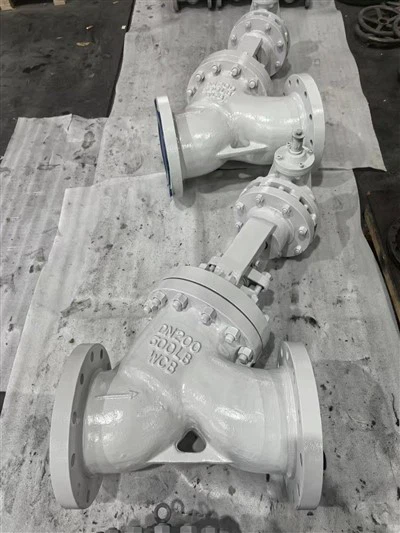
ball valves are widely used in oil, natural gas, chemical industry, electricity, water treatment, food processing, industrial automation and other fields because of their simple structure, excellent sealing performance and convenient operation. However, there are a wide variety of ball valves on the market, with different materials, connections and actuation types suitable for different operating conditions. Improper selection will not only affect system efficiency, but also increase maintenance costs and even cause safety hazards.
As a professional ball valve manufacturer, we often receive customer inquiries: ``how to choose a ball valve suitable for their own project?" In fact, ball valve selection is not just a matter of size and price, it requires a combination of factors, including media, pressure, temperature and installation environment.
This article will help you understand the most important key points when selecting a ball valve.
1.Determine the type of transport medium
The first step in selecting a ball valve is to understand the medium of transmission in the pipe.
Different media have different requirements for valve materials and sealing structure.
Common media include:
Water
Steam
Natural gas
Petroleum products
Chemical liquids
Corrosive media
Food-grade liquids
For example, in the chemical industry, if the medium is corrosive, stainless steel ball valves or special corrosion resistant materials are usually required.
Ordinary water systems can choose more economical solutions based on performance.
2. Select valve class according to working pressure
Different projects have markedly different pressure requirements.
For example:
Construction of water supply and drainage systems
Industrial piping systems
High-pressure pipeline
Chemical Production Plant
The higher the working pressure, the higher the requirements for valve body strength and sealing performance.
When selecting valves, the following should be confirmed:
Maximum work stress
System design pressure
Pressure fluctuation range
Ensure that the selected ball valve can operate steadily for a long time.
3. Pay attention to operating temperature range.
Temperature is also an important factor in ball valve selection.
Different materials have different properties at high temperature and low temperature.
For example:
Ambient operating conditions
Suitable for most water supply and general industrial systems.
High temperature conditions
For example:
Steam systems, thermal oil systems, power plant pipelines
high-temperature resistant sealing materials is required.
Low temperatures
For example:
LNG projects, LPG systems, cryogenic chemical plants
specialized cryogenic ball valves required.
Therefore, an accurate understanding of working temperatures is essential.
4. Choose the Appropriate Valve Body Material
The material of ball valve directly influences its service life and application scope.
Common materials include:
Stainless steel ball valve
Applicable to:
Chemical industry, food industry, marine environment
Excellent corrosion resistance.
Carbon Steel Ball Valve
Applicable to:
Oil and gas, industrial pipelines, electricity industry
High intensity, good economy.
Brass Ball Valves
Commonly used in:
Water and sewerage, HVAC systems
Good mechanical performance.
Properly selected materials can effectively reduce maintenance costs.
V. Determine how to connect
Different installation environments require different connections.
Common methods to connect are:
Flanged ball valve
Applicable to:
Large diameter pipelines
High-voltage systems
Easy installation and maintenance.
Threaded ball valve
Applicable to:
Small calibre systems
Commercial buildings
Lower costs.
Welded ball valve
Applicable to:
Long-term fixtures
Pipeline buried
Higher sealing reliability.
Selection shall be based on the project's installation conditions.

6. Understand the difference between full-caliber ball valve and reducer ball valves.
It's easy for many homebuyers to overlook this.
Full-bore ball valve
The valve's internal piping is basically the same diameter as the pipe.
Advantages include:
Low flow resistance
Low Flow Loss
Suitable for transporting particulate media
Common in the oil and gas industry.
Reducer ball valve
The internal channel is slightly smaller than the pipe diameter.
Advantages include:
Lower costs
Lighter weight
Suitable for general industrial applications.
Choosing the right structure based on traffic requirements is critical.
7. Manual or automatic?
With the development of industrial automation, more and more systems use automatic control ball valves.
Manual Ball Valves
Applicable to:
Simple plumbing
Low frequency conditions
Investment costs are low.
Electric ball valves
Applicable to:
Remote control
Intelligent control systems
High control accuracy.
Pneumatic ball valve
Applicable to:
High frequency operations
Industrial automation production lines
The response was fast.
Select the appropriate driver according to the degree of automation of the project.
8. Consider Industry-Specific Requirements
Different industries have different standards for ball valves.
For example:
Oil and gas industry
Highlights:
High-pressure performance
Fireproof design
Sealing reliability
Food industry
Highlights:
Sanitary standards
Easy to clean design
Chemical industry
Highlights:
Corrosion resistance
Chemical compatibility
Choices should be made in accordance with industry norms.
9. Choose a Reliable Ball Valve Manufacturer
High-quality ball valves depend not only on design but also on manufacturing processes and quality control.
When making a purchase, consider the following:
Production experience
Production certification
Testing capabilities
Technical support
After-sales service
Ball valve manufacturers have a wealth of project experience, according to the actual operating conditions to provide more professional solutions.
Why is correct choice so important?
Many valve failures are not due to product quality, but rather to a mismatch between selected valves and operating conditions.
For example:
Incorrect material selection;
Insufficient pressure rating
The medium Unsuitable sealing structure;
Unsuitable actuation method
These problems increase maintenance costs and affect the operation of the system.
Therefore, scientific choice is the key to ensure the valve stable operation in the long run.

Conclusion:
Choosing the appropriate ball valve requires a combination of factors, including media type, operating pressure, temperature range, material, connection mode, automation requirements, etc. Whether it is oil and gas engineering, chemical plant, water treatment system, or industrial automation production line, correct ball valve selection can improve the operating efficiency of the system, reduce maintenance cost and prolong equipment lifespan. Scientific selection at the beginning of a project will provide a solid foundation for stable operation later on for both the purchaser and the engineer.
Frequently Asked Questions:
What industries are ball valves suitable for?
Ball valves are widely used in oil, gas, chemicals, water treatment, electricity, food processing, pharmaceuticals and other industries.
What is the difference between stainless steel ball valve and carbon steel ball valves?
Stainless steel ball valves has strong corrosion resistance, while carbon steel ball valves has higher strength and lower cost.
What are the advantages of a full-bore ball valves?
Full-bore design reduces flow loss and is more suitable for conveying media with high flow rate or particulate matter.
How to choose electric ball valve and electric and pneumatic ball valves?
Electric ball valves are suitable for remote control systems, while pneumatic ball valves are more suitable for industrial automation scenarios that require rapid response.
What are the factors affecting the service life of the ball valve?
Mainly include media characteristics, operating pressure, temperature conditions, operating frequency, product quality, etc..