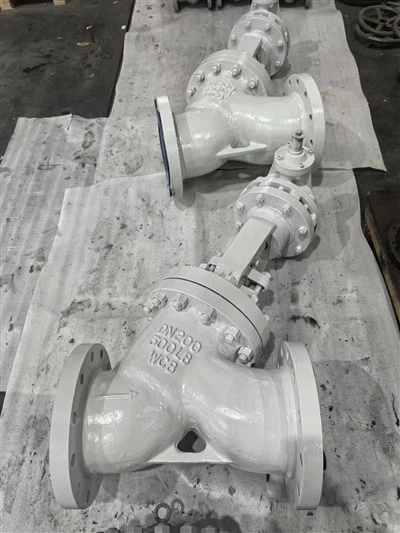
Soft seat ball valve is an industrial valve which utilizes non-metallic elastic material as seat seal. It turns a ball 90 degrees to open or close the flow of media inside the pipe. Its structure is generally composed valve body body, sphere, valve seat, stem and sealing components. Unlike traditional metal-to-metal (hard seat) designs, soft-seat ball valves prioritize the precision of the fit between the ball and the elastic seat. They are ideal for applications that require high sealing performance, such as water treatment, petroleum, chemical processing and general industrial piping systems.
For manufacturers and purchasers, understanding the structural characteristics of soft-seat ball valves is essential to evaluate product quality, select appropriate sealing materials, and ensure that soft-seat ball valves match specific operating conditions.
1.Prom: Decide on opening and closing performances
Balls are the core of soft-tee ball valve and are usually made of metals such as stainless steel or carbon steel. It features an internal flow passage; the spinner alters the alignment of the channel relative to the pipe.
The valve is in an open position when the ball rotates to align its internal channel with the pipe. When the ball rotates 90 degrees, its solid portions come into contact with the valve seat, effectively cutting off the flow of media.
The machining accuracy, surface finish and spherical sphericity all affect the operation flexibility and sealing effectiveness of valve. Therefore, the size and surface quality of the spheres must be strictly controlled during production to minimize wear and tear during long-term use.
2.The Elastic Seat: Ensuring Reliable Sealing
The most obvious structural feature of the soft-seat ball valve is the use of elastic nonmetallic material as valve seat. Common materials include PTFE, reinforced PTFE and other polymers tailored to specific operating environments.
These materials are inherently elastic and compliant, allowing them to form a tight seal on the surface of the sphere and minimize media leakage.
When choosing seat material, the following factors should be carefully considered:
Temperature resistance: ensure that the sealing material can withstand the actual working temperature.
-Corrosion Resistance: Choose materials that correspond to the chemical properties of the medium being transported.
Abrasion resistance: minimizes wear and tear caused to the sealing surface by the repeated rotation of the sphere. Material stability: Reduce the risk of deformation or loss of sealing performance after prolonged compression.
For valve suppliers, ensuring an appropriate match between the spherical material and the seat is a key step in ensuring long-term sealing performance.
3.Valve stem structure: Transfer of operating force to prevent external leakage
The stem connects the external actuating mechanism to the internal ball and is mainly used to transfer rotational force. Operators rotate the stem-using a handle, gearbox or driver-to open or close the sphere.
To prevent media leakage from the interface between stem and valve body, components such as fillers, O-rings or other sealing elements commonly employed.
Some soft-seat ball valves also have "explosion-proof" stem designs, a special structure that prevents the stem from being pushed out of the valve under abnormal pressure conditions, improving operational safety.
4. Body Structure: Impacts Pressure Capacity and Installation Methods
The body is designed to withstand the pressure and external load of the medium in the piping system as an external pressure reducer for the entire soft-seat ball valve.
Common valve body configurations according to manufacturing design and maintenance requirements include:
Integral: Compact, integrated, with fewer components, suitable for limited space.
-Two-piece set: consists of two main components that balance structural strength with ease of manufacture.
-Three-piece package: multi-part design for easy removal, inspection and replacement of internal components.
These different main structures vary in terms of installation space requirements, ease of maintenance and manufacturing costs; they should be selected according to specific piping layout and future maintenance needs.

5. Flow passage structure: affects the flow rate of the medium.
Soft tee ball valves usually has two flow passage designs: full-caliber ball valve and reducer ball valve.
In a full-caliber ball valve, the diameter of the internal channel is almost the same as that of the connecting pipe, so flow resistance is relatively low and pipeline pigging equipment can be used.
In a reducer ball valve, the diameter of the flow channel is smaller than the inner diameter of the pipe; although this may lead to a more compact overall structure, it introduces additional flow resistance. Therefore, when selecting the flow passage structure, the pipe diameter, flow requirements, media characteristics and system operation should be taken into account, rather than relying on the valve's nominal size.
6. Actuation Mechanisms: meeting diversified control needs
Soft-tee ball valves operates on a quarter-turn, opening or closing with only a 90-degree rotation. Depending on the level of automation and operating environment required, a various actuation mechanisms can be configured:
-Manual operation: simple design, easy operation, suitable for manual operation.
-Worm Gear: suitable for large valves or applications that require reduced operating force.
-Pneumatic Actuation: can be opened and closed quickly; ideal for automatic production pipelines.
-Electric Actuation: can be integrated with control system for remote operation and automatic control.
Valve manufacturers can provide appropriate appropriate actuation configurations based on customer pipeline design, control requirements and field conditions.
7. Sealing and Connection Components: ensure stable operation of piping systems
In addition to the valve seat, soft-seat ball valves incorporate accessories such as gaskets, O-rings, fillers and various connecting hardware.
Although these components are relatively small, they play a crucial role in the overall sealing performance. For example, gaskets at valve body joints help minimize the risk of external leakage, while stem packing ensures a secure seal around the valve stem.
In product design and manufacture, seals must be carefully selected according to pressure class, dielectric properties and working temperature to prevent material incompatibility issues.
Frequently Asked Questions (FAQ)
Question 1: Why do soft seat ball valves use PTFE valve seats?
Polytetrafluoroethylene (PTFE) has excellent chemical stability, low friction coefficient and good sealing adaptability. However, their suitability for specific applications should always be assessed on the basis of operating temperature, pressure and the nature of the medium.
Q2: Can soft-tee ball valves be used in hot conditions?
They can be used in a range of high temperatures, but specific limitations depend on valve seat material and the product's design. Standard PTFE seats are not suitable for all high-temperature environments, and therefore the acceptable operating temperature range must be confirmed with the supplier prior to purchase. Q3: Can the soft-seat ball valve be replaced separately?
Some two-and three-piece designs allow for the removal and replacement of seats, depending on the specific product design. At the time of purchase, you may want to verify that the internal components are maintained.
Q4: Are soft tee valves suitable for frequent opening and closing?
Soft seat ball valves can withstand a certain frequency of operation, but frequent circulation will increase the seat and ball seal surface wear. In practice, the selection of products should be based on the frequency of use, cleanliness of media, material properties and other factors.