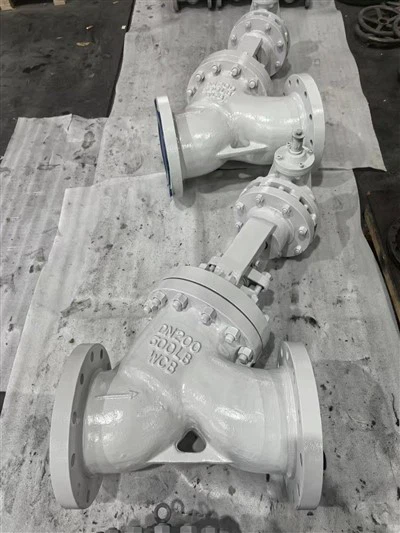
1.Periodically inspect the appearance and condition of forged valves
During the long-term operation of forging valves, it is necessary to inspect their appearance and condition regularly. Through daily inspection, many early problems can be detected in time to avoid further expansion of the fault.
Inspections typically include:
Is the valve body cracked?
Is there corrosion on the surface?
Is there a leakage phenomenon?
Are the buttons loose
Is the valve clearly identified?
Especially in the environment of high temperature, high pressure or corrosive medium, it is more important to check the appearance of forging valve.
2.Check the sealing performance of forged valves
Sealing performance is an important index for the stable operation of forging valves. If the seal fails, it will not only cause media leakage, but also affect the safety of the entire system.
In the course of routine maintenance, it is important to check:
Seat valve seat condition
Packaging sealing status
Is there a leakage in the flange connection?
Is the valve stem leaking
Once the forging valve leakage problem is found, it should be dealt with in a timely manner to avoid further damage caused by long-term operation.

3. Regular lubrication of moving parts
Forged valves require regular lubrication and maintenance due to the constant friction of moving parts inside during opening and closing.
The key lubrication parts include:
Stem, stem
Bearing;
Gear transmission mechanism
wheel connection
Good lubrication can reduce wear and tear, improve the working flexibility of forging valve and prolong service life.
However, it should be noted that suitable lubricating oil should be selected according to different working conditions, especially in high-temperature environments, and that high-temperature resistant lubricating materials should be used.
4. Preventing long-term corrosion of forged valves
Many forged valves are exposed to humidity, corrosion, or outdoor environments for long periods of time, so antisepsis maintenance is important.
Common anticorrosion measures include:
Clean surfaces regularly.
Apply another layer of anti-corrosive paint
Keep the environment dry.
Avoid long-term adhesion to chemical media.
For stainless steel forging valves, there is also a need to prevent chloride ion corrosion and long-term water retention.
5. Operate forging valve regularly to avoid blockage
Partially forged valves are permanently open. If you do not operate for a long period of time, it is easy to encounter the following:
Stem blockage
Internal scaling
Seal surface adhesion
Therefore, even if the system is running normally, it is recommended to open and close regularly.
Appropriate activity forging valves can:
Maintain internal flexibility
Prevent parts from rusting to death.
Reduce the risk of congestion.
This is especially important for long-term disuse or backup valves.
6. Check the connecting part of the forged valve
During the operation of forging valve, pipeline vibration and temperature change may cause the connection to loosen.
In maintenance process, it is important to check:
flange bolt
Welding interface;
Support structure
Pipeline connection location
If the connection isn't secure, it's easy:
Leaks;
Increased vibration
seal failure
Therefore, regular tightening and testing are essential.