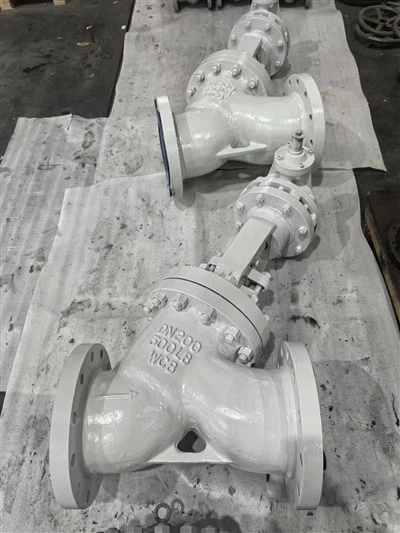
1. Overview of forging Forging Valve Process.
In petrochemical, thermal power, long-distance oil and gas transportation, coal chemical and other high-end industries, pipeline high-pressure systems have extremely high requirements for valve pressure bearing capacity, sealing performance, safety and stability. According to the molding process, industrial valves are mainly divided into casting and forging. The forging valve is made of high quality steel billets high-temperature plastic forging, which is different from the traditional casting process. Its internal structure is compact, mechanical performance is excellent, has become the high pressure, high temperature, alternating load and other harsh working conditions of the core selection equipment, is an important guarantee for the safe operation of industrial high pressure pipelines.

2, The core technological advantages of forging valves
The performance advantage of forging valves lies the unique forging forming process. In the process of high temperature forging, the original coarse grains of steel are crushed and reshaped, and the metallographic structure is uniformly refined, eliminating the porosity, shrinkage, looseness and slag inclusion imperfections common in cast valves. Its metal fiber structure is continuous and complete, and the overall density and structure of the valve body are high. Compared with cast valves of the same specification, its tensile strength, impact toughness and fatigue resistance are greatly improved, and the common problems of cracking, deformation and leakage of valve body under high pressure are solved.
At the same time, the forging valve has high dimension accuracy, surface smoothness valve body, can achieve high-precision machining of valve seat and sealing surface. Seal compatibility is good, long-term use is not easy to cause seal failure. The design of the whole forging structure greatly reduces welding joint, effectively avoids leakage risks caused by welding defects and greatly improves the overall stability of the equipment.
3 of mainstream forging valve.
According to the requirements of industrial working conditions, forging valves form five main categories, which are suitable for different high-pressure process scenarios. Forged gate valves flow channels smoothly, medium resistance is low. It is suitable for high pressure steam and oil and gas pipelines. Forged globe valves has excellent throttling performance, can achieve accurate adjustment of media. It is widely used in chemical hydrogenation and high pressure pipeline of heat transfer. Forged check valves automatically opens and closes by dielectric pressure, effectively preventing medium backflow. It is commonly used in pump outlets and autoclave pipeline.
Forged ball valve switch speed, extremely strong sealing performance, suitable for flammable, explosive, high purity media of high pressure transport. Forged needle valve has the characteristics of high adjustment accuracy and small size, especially suitable for instrument sampling, pressure induction and other ultra-high pressure precision pipelines. The diversification of products enables forging valves to cover a wide range of high-pressure industrial working conditions.
4, core reason of selecting forging valve in high pressure working conditions.
Industrial high-pressure pipeline is characterized by high pressure level, frequent pressure fluctuations, large water hammer impacts and high temperature fluctuations, which requires strict reliability of valve body. There are many hidden dangers inside cast valves. Under continuous high pressure and alternating loads, small defects will continue to expand, causing valve body damage, media leakage, and even fire, explosion and other safety accidents, which make not suitable for use under high pressure and high risk working conditions.
Forged valves high rigidity, excellent creep and fatigue resistance, can withstand high pressure shock and temperature stress for a long time, and are not susceptible to plastic deformation. At the same time, the forging valve materials has strong controllability, can adapt to high temperature, corrosion, hydrogen exposure and other complex media. Through nondestructive testing, comprehensive quality testing with high quality traceability and safety factor can be achieved, which fully conforms to the design specification and production safety requirements of high-voltage industrial pipelines.
5. Overview of industry applications.
In summary, forging valve has the comprehensive advantages of advanced technology, stable performance, complete variety, safety and security, which completely compensates the casting valve performance shortcomings under high pressure and harsh conditions. In modern industrial high voltage system, forged valves have become standard equipment for key pipelines in power, petrochemical and oil and gas industries because of their excellent pressure bearing capacity and sealing performance. It effectively ensures the continuous, safe and efficient operation of industrial production, has high engineering application value and industry irreplaceability.