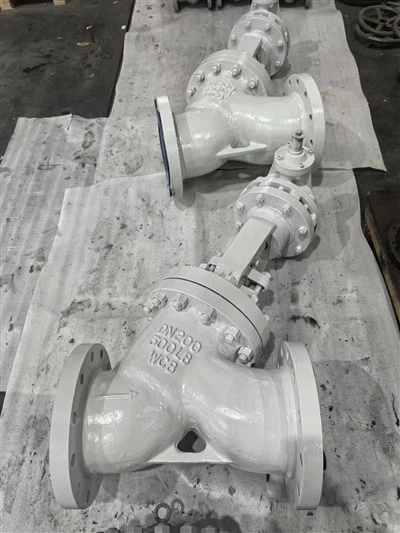
The installation quality of the soft-seated ball valve directly affects its sealing performance, operational flexibility (opening and closing) and service life. Although these valves are designed to rotate at 90°,making their installation relatively straightforward, attention must still be paid to installation orientation, pipeline cleanliness, connection methods, sealing materials protection and available operating space. Improper installation can lead to valve seat damage, stem leakage, valve jamming or leakage of pipe connections. Therefore, appropriate installation plans should be developed according to valve specifications, operating pressure and characteristics of the medium.
1.Pre-installation Check of Valve Specifications and Technical Parameters
Before installing the soft-seat ball valve, verify that the product model meets the design requirements of the piping system.
Particular attention should be paid to the following parameters:
-Nominal Diameter (DN: Ensure valve diameter matches pipe size.
-Nominal Pressure: Ensure that the rated pressure of the valve meets the system's operational requirements.
Body material: Choose suitable material such as carbon steel, stainless steel or other suitable alloys according to the medium being transported.
-Sealing Material: Validation of seat material, PTFE or reinforced PTFE) for compatibility with operating medium and temperature.
-Type of connection: Ensure that the connection method (flange, thread, etc.) conforms to the design of the pipe.
In addition, inspect the valve body, sphere, stem and sealing components to prevent any deformation, scratches or damage during transport.
2.Remove impurities from Pipelines
Slag, rust, sand, gravel or other solid particles in welded pipes may enter the valve and may scratch the surface of the sphere or damage valve seat soft seat.
Pipes should be cleaned before installation to ensure that there is no visible debris. If the piping system is prone to particulate matter, consider installing filters upstream of the valve, depending on the operating conditions.
For soft-seat ball valves, it is important to keep sealed contact surfaces clean, especially before the valve is first used.
3. Valve mounting position and Orientation
Although soft-seat ball valves are generally two-way, certain designs or models with specific flow direction requirements must be installed in accordance with the manufacturer's instructions. Other things to note during installation:
-Ensure that valves are positioned for easy operation and future maintenance.
-Avoid installing valves in areas vulnerable to external shocks.
-Provide adequate space for installation and maintenance of ball valves with actuators.
-Pay attention to the orientation of the valve stem and handle to prevent interference with surrounding equipment or piping.
Getting it right helps simplify future operations and maintenance.
4. Correct connection of valve to pipe
Common connection methods for soft-seat ball valves include flange connection, threaded connection and welded connection, each requiring specific installation steps.
For flanged connections, make sure the the flanges at both ends is parallel and aligned with the shaft. Use appropriate gaskets and fasteners and tighten bolts in the specified order to ensure uniform pressure distribution and avoid excessive local stress.
For threaded connections, tightening torque shall be controlled to prevent excessivetightening that could damage the valve body or thread.
If welded connections are used, product design specifications and the manufacturer's requirements shall be followed. Take precautions to ensure that welding heat does not damage non-metallic components, such as valve seats or sealing rings.
5. Prevention of Piping Stress in valves
During piping installation, any significant misalignment, bending, or external force will subject the valve body to unnecessary mechanical stress.
This can lead to valve body deformation, uneven load on flanged connections, and even interference with the match between the sphere and the valve seat.
Therefore, ensure that the piping is adequately supported and that the valve is naturally aligned with the piping. Do not force installation by pulling or compressing pipes.
For large diameter soft-seat ball valves, the necessary support structure is provided according to the weight of the equipment and the layout of the piping system.
6. Verifying Valve Operation
Once the mechanical connection is complete, the valve must be checked for operation.
For manual soft-seat ball valves, use the handle to open and close the test to ensure the ball rotates smoothly without any noticeable adhesion or abnormal resistance. For pneumatic and electric soft-seated ball valves, it is also necessary to ensure that the connection between the the actuator and valve stem is secure and to verify that control signals, rotation direction and limit settings are correct.
It is important to note that difficulties in opening or closing the valve should not be resolved by excessive force, but by checking that the valve is aligned during installation and ensuring that there are no foreign objects inside the valve.
7. Pressure and Sealing Performance Testing
The necessary pressure and sealing tests shall be carried out in accordance with applicable standards, design requirements and manufacturer's instructions prior to the valve's entry into formal use.
Areas of focus include:
External leakage of valve body and connection points.
-Media leakage at valve stem seal.
-Abnormal internal leakage when the valve is closed.
Operate (open and close) valves correctly under specified pressure conditions.
The test shall be conducted using the appropriate media, pressure and operating procedures specified for the product to ensure that the valve does not exceed the allowable operating limit.
8. Avoid Abnormal Operating Conditions immediately after installation.
When the soft-tee ball valve is installed, it should be used step by step in accordance with the operating procedures of the system to avoid sudden excessive pressure or temperature fluctuations.
If the transport medium is corrosive, high temperature or contains particulate matter, special attention must be paid to the suitability of the sealing material.
For newly installed valves, it is recommended to monitor the condition of connection points, valve stem and valve seat early in operation in order to detect any problems that may arise during installation or commissioning.
Frequently Asked Questions (FAQ)
Q1: Is there a directional requirement for the installation of soft-seat ball valves?
Most standard soft-tee ball valves can be installed in any direction, but some special designs may require specific flow directions. Always check the valve body markings and product technical documentation before installing.
Question 2: Can soft-tee ball valves be installed horizontally or vertically?
In general, depending on the layout of the pipe, it can be installed horizontally or vertically. However, the orientation of the valve stem, the weight of the actuator, and the space required for future operation and maintenance should be taken into account.
Is a pressure test required after installing a soft-tee ball valve?
Yes, pressure and sealing tests must be conducted in accordance with piping engineering standards and product specifications to verify the integrity of the valve body, connection points and sealing performance of the sealing position. Q4: Why do soft-tee ball valve leak when installed?
Common causes include clutter on the sealing surfaces, seat damage, uneven flange connections, improper tightening of bolts or incompatibility of the sealing material with the processing medium. Specific inspections should be carried out depending on the location of the leakage point.