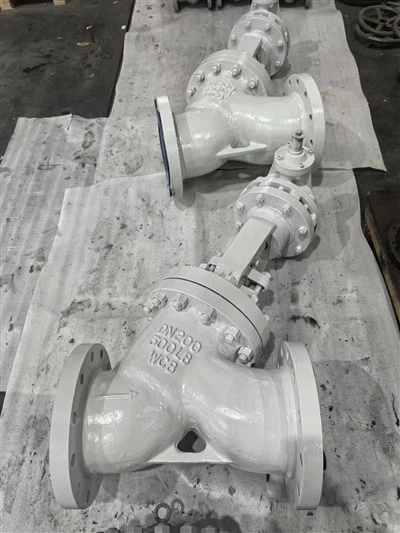
Small forging valve is an industrial valve manufactured by forging process, which is mainly used in small caliber piping systems. Forged valves are generally characterized by compact structure, high mechanical strength, and stable sealing performance compared to standard cast valves; consequently, forged valves are suitable for industrial piping systems that require reliable pressure control, media isolation, and operational dependability.
Small-scale forging valves are commonly found in oil and gas, chemicals, power generation, industrial gases, pharmaceuticals, machinery, energy, and other industries. Specific application depends on valve type, material, rated pressure, temperature and transport medium, etc.

1.Oil and Gas Piping Systems
The oil and gas industry is a major player in the application of small forging valves. In addition to large pipelines, processes involving oil and gas production, storage, transport and refining use a large number of small aperture auxiliary pipelines, equipment connections and instrumentation piping.
Small forging valves can be installed on these pipes to control or close the flow of media. It is often used in air inlet, sampling pipe, drainpipe and pressure instrument connection line.
These valves usually require excellent sealing capabilities and sufficient mechanical strength, taking into account the pressure and safety risks associated with oil and gas media.
2.Chemical Process Piping Systems
Chemical production involves liquids, gases and chemical media with diverse properties; piping systems need to select appropriate valves based on the characteristics of these media.
Small forging valve is suitable for reaction vessels, storage tanks, pump assemblies, heat exchangers and auxiliary process piping. Its compact design provides obvious advantages for production lines with limited space or high operating pressures.
In chemical applications, the selection of valve materials and seals is crucial. For corrosive media, materials with appropriate corrosion resistance shall be selected according to the concentration, temperature and pressure of the medium.
3.Power and Energy Piping Systems
Thermal, gas-fired and other energy systems use extensive networks of steam, water, fuel gas and auxiliary media pipes. Small wrought valves are suitable for auxiliary equipment piping, discharge lines, instrumentation lines, and certain small caliber, high pressure piping. In high-temperature and high-pressure environments, special attention must be paid the valve's pressure rating, temperature range, material properties and seal design.
For example, in steam systems, valves must be able to withstand temperature and pressure fluctuations associated with continuous operation; therefore, product selection mustnot depend solely on pipe size, but must also take into account actual operating conditions.
4. Industrial Gas Piping Systems
Industrial gas systems also require a large number of small-caliber control valves. During production, storage and usage, gases such as oxygen, nitrogen, argon and hydrogen are usually transported through small caliber pipelines connected to various devices.
Small forging valves can be utilized for connection of gas equipment, gas supply pipe, instrumentation lines and auxiliary control system.
Given the different physical and chemical properties of different industrial gases, valve selection must take into account media compatibility, sealing performance, pressure levels and specific safety requirements. For special gases, valve design and materials must be selected
in accordance with relevant industry standards.
5. Pharmaceutical and Food Processing Piping Systems
Pharmaceutical, food and beverage production processes also involve numerous small caliber production lines and equipment connection pipes.
Small valves can be applied in the import and export of equipment, auxiliary media piping and some process control systems. If the piping system has specific sanitary requirements, valves that meet the relevant sanitary design standards must be selected.
In these applications, in addition to mechanical properties, factors such as valve body material, interior design, surface finish, and sealing materials are also key to ensure that valve structure does not compromise product quality or complicate cleaning and maintenance.
6. Instrumentation and Sampling Piping Systems
Instrumentation piping is characterized by small diameter, limited installation space and strict sealing requirements.
Small wrought valves are suitable for connection to pressure gauges, temperature measurement devices, flow meters and sampling systems. For example, during the operation of industrial equipment, these valves can control the flow of media between the instrument and the main pipe, facilitating the maintenance and inspection of the instrument.
7. As instrumentation lines generally requires long and stable operation, the sealing performance, operating mechanism and connection mode of valve must be compatible with the instrumentation system. Machinery and Equipment Packages
In addition to being used in large industrial pipelines, small forging valves are also widely used in various equipment packages.
For example, compressors, pumps, boilers, heat exchangers, pressure vessels and other industrial equipment often have numerous small caliber fluid lines. Valves installed in equipment inlets, outlet, and auxiliary piping facilitate equipment isolation, fluid control, and maintenance.
For equipment with limited space, the structural characteristics of small forging valves help minimize the space taken up by installation.
8. How to judge the suitability of a small-sized forged valve?
When choosing a small forging valve, not solely the diameter of pipe must be determined, but also the actual operation must be taken into account.
First, determine the medium of transport-such as liquid, gas or vapour-and whether it is corrosive. Next, determine the operating pressure and temperature and select the appropriate rated pressure and valve body material.
Factors such as connection type, sealing material, operation mode and available installation space are also taken into account. Priority should also be given to valve service life and maintenance convenience if piping needs to be opened and closed frequently.
For high temperature, high pressure, flammable, explosive, corrosive and other industrial media, products that meet specific engineering requirements, standards and certification shall be selected.
Frequently Asked Questions
Are small wrought valves suitable for high pressure piping?
Some small wrought valves are suitable for high pressure applications; however, their particular applicability depends on the valve's design pressure, material, structure and manufacturing standards. Choose according to actual operating conditions.
Can small wrought valves be used for steam pipelines?
Yes, some forged valves designed for high temperature service can be used in steam systems, provided the valve is selected according to steam temperature, pressure and dielectric characteristics.
What is the difference between a small forging valve and a casting valve?
The main differences are manufacturing processes, structural characteristics and suitable operating conditions. Forging usually produces superior material density and mechanical strength, although actual performance ultimately depends on product design and manufacturing quality.
What material is commonly used for small forging valve?
Common materials are carbon steel, stainless steel and alloy steel. Specific materials must be selected according to the properties of the medium, pressure and temperature.
Abstracts
Small forging valves are mainly used for small caliber industrial piping systems which require high strength, sealing performance and operational reliability. Common applications include oil and gas, chemicals, electricity generation, industrial gases, pharmaceuticals, food processing, instrumentation piping, and a variety of integrated industrial equipment systems.
In the actual selection process, factors such as pipe diameter, media performance, operating pressure, operating temperature, valve body material, connection type, installation environment should be taken into account, rather than relying solely on valve size. The proper matching of valve specifications with actual working conditions improves the stability of piping system and simplifies future maintenance.