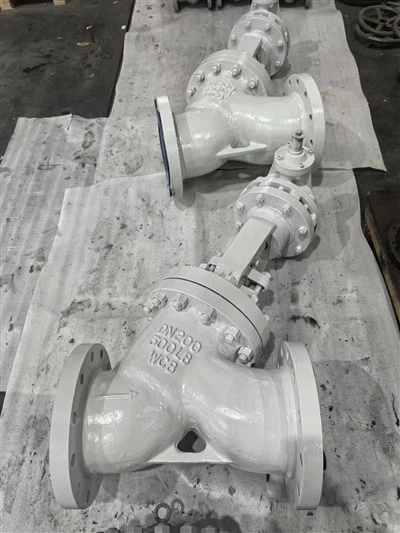
These cycles should be determined comprehensively based on factors such as the valve's usage frequency, working environment, and medium characteristics. Generally, frequently - used wedge gate valves should undergo routine maintenance every 3 - 6 months and comprehensive maintenance once a year. For valves with low usage frequency, routine maintenance can be carried out every 6 - 12 months, while comprehensive maintenance is recommended every 2 - 3 years. The main aspects of maintenance are as follows:
Routine Maintenance
Appearance Inspection: Regularly examine the valve's appearance, checking for corrosion, wear, cracks, or deformation on components like the valve body and valve cover. Promptly repair any damaged surface coatings to prevent rust formation.
Sealing Performance Check: Assess the valve's sealing performance by observing for medium leakage when the valve is closed. In applications with strict sealing requirements, utilize professional testing equipment for seal testing. If leakage occurs, promptly identify and rectify the cause, which may include damaged sealing surfaces or aged valve stem seals.
Valve Stem Lubrication: Clean dirt and rust from the valve stem's surface regularly, then apply an appropriate amount of lubricating grease. This ensures smooth rotation and lifting of the valve stem, preventing jams. Additionally, inspect the valve stem threads for wear; replace the valve stem if significant wear is detected.
Operating Mechanism Inspection: For manually - operated valves, verify the integrity of handwheels and handles, and ensure the transmission mechanism operates smoothly without jams or looseness. In the case of electric or pneumatic actuators, check the power supply, air source, and the proper functioning of components such as motors and cylinders. Also, inspect control elements and connecting lines for damage or looseness.

Comprehensive Maintenance
Disassembly Inspection: Disassemble the valve to inspect internal components, including the gate, valve seat, valve stem, and seals, for wear and corrosion. Replace severely worn parts promptly. Pay particular attention to the sealing surface condition; if damaged, repair it through methods like grinding or surfacing, or replace the entire sealing pair.
Component Cleaning: Thoroughly clean disassembled parts to remove dirt, rust, and medium residues. Use specialized cleaning agents, followed by drying with a clean cloth or compressed air.
Replacement of Wear - Prone Parts: Based on inspection results, replace aged or damaged seals, gaskets, packing, and other wear - prone parts to maintain the valve's sealing performance and proper operation. Also, check components like springs and bolts, and replace them if damaged or deformed.
Valve Debugging: After reassembling the valve, conduct debugging. Manually operate the valve to ensure smooth opening and closing and accurate stroke. For electric or pneumatic valves, perform electrical or pneumatic performance debugging to ensure precise coordination between the actuator and the valve, enabling the valve to complete opening and closing actions within specified time limits and meet sealing requirements.
Pressure Testing: Conduct pressure tests on the maintained valve, including strength and sealing tests. During the strength test, apply pressure to the valve body with the valve fully open to check for leakage or deformation. For the sealing test, apply pressure to the sealing surface with the valve closed to evaluate sealing performance. Test pressures and holding times must comply with relevant standards and specifications.