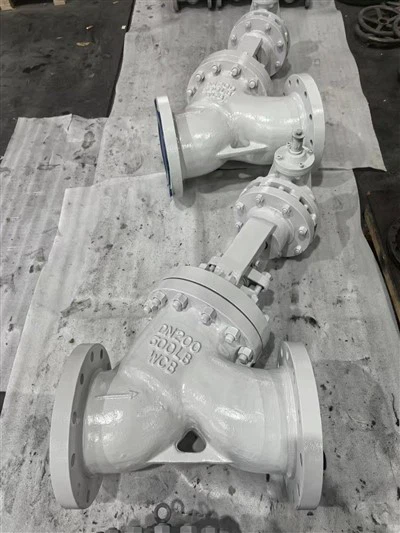
As key equipment in the field of fluid control, gate valve can be divided into two types according to its structure and sealing mechanism. Each type varies greatly in terms of application scenarios and technical characteristics:
I. By structural form: Wedge Gate Valve vs. Parallel Gate Valve
1.Wedge Gate Valve
Structural features:
The gate is wedge-shaped (single or double wedge). The stem pushes the disc down vertically, forming a tight seal with the valve seat through wedges.
Single wedge: Single wedge gate valve disc is simple in structure but easy to wear on sealing surface.
Double wedge gate: Two wedge gates are connected by a top wedge mechanism to distribute the sealing force more evenly.
Operational principles:
When closed, the valve stem is pressed down, wedging the gate disc into the valve seat and creating a seal by mechanical compression. gate disc opens and lifts vertically, reducing friction with the valve seat.
Performance Characteristics:
Strengths: Strong sealing, suitable for high pressure and high temperature applications, compact structure and minimal space requirements. Weaknesses: High wedge angle accuracy, frequent opening and closing can easily lead to seal surface wear, temperature fluctuations can lead to gate jamming.
Typical application:
High-pressure pipelines in the petroleum and chemical industries (such as API 600 standard gate valves) and main steam systems of nuclear power plants.
2.Parallel sliding gate valve
Structural features:
The gate is a parallel slab, driven horizontally by the valve stem and sealed by dielectric pressure or spring force.
Single sliding gate valve: Single plane gate valve requires a soft valve seat (such as rubber) auxiliary seal.
Double sliding gate valve: Two plane gate valves connected by spring or upper wedge automatically compensate for surface wear of seal.
Operational principles:
When closed, the gate moves parallel to valve seat and is compressed by dielectric or spring forces. When opened, the floodgates move horizontally, allowing the flow of water to be completely unobstructed.
Performance Characteristics:
Advantages: Low flow resistance, suitable for large caliber pipe, double sliding gate valve can automatically compensate for wear and tear, long service life. Limitations: Under high pressure, sealing performance depends on spring or medium pressure, resulting in stability slightly lower than wedge valve.
Typical application:
Water supply and drainage systems (such as no vertical gate valve), low pressure steam pipe, mud pipe, etc.

ii. By Seal Mechanism: Metal Seal Gate Valves and Soft seat gate valve
1. Metal Seat Gate Valve
Sealing Material:
Gate valve seat are made of metal (such as stainless steel or carbide) and are sealed by precision machining.
Performance Characteristics:
Strengths: High temperature (under 600°C), high pressure (1500 class and above), suitable for corrosive media.
Limitations: Sealed cover is easy to wear and tear, requires regular grinding and maintenance, and may leak at low temperatures.
Typical application:
Refinery pyrolysis unit and main steam pipelines of thermal power plant. Resilient Seated Gate Valve
Sealing Material:
The gate surface is coated with rubber (e.g. EPDM, NBR) or PTFE, and the valve seat is metal or plastic.
Performance Characteristics:
Strengths: Excellent sealing (zero leakage), small opening and closing torque, corrosion resistance, suitable for domestic sewage and drinking water.
Limitations: Temperature limit (-20°C to 120°C), rubber degrades easily under high pressure.
Typical application:
Municipal water supply network, building water supply and drainage systems, environmental governance equipment.