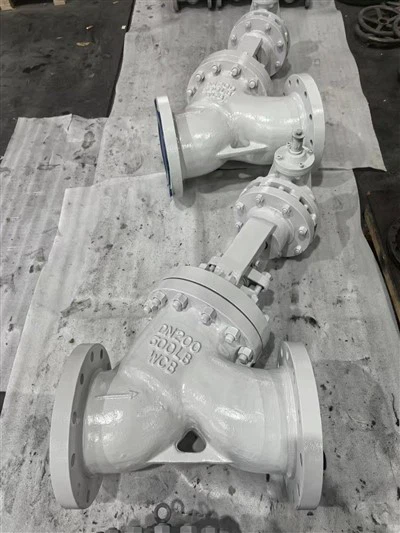
disc gate (wedge gate) and parallel gate valve in the structural design, sealing principle, application scenarios and so on are very different. Specific differences are as follows:
I. Structural Design Differences
Gate Shape
Cuneiform gate plate valve: There are three types of gate: single gate plate, elastic gate plate and double gate plate. The wedge angle design can compensate for thermal expansion caused by temperature change and avoid gate plate jamming.
Parallel gate valve: The seal cover of the gate is parallel to the pipeline axis and divided into a single gate plate and a double gate plate structure. The double gate plate is sealed by spring or opening mechanism. Some models have guide holes for easy pipeline cleaning.
Valve Stem Drive Method
Wedge gate valve: The downward thrust of the stem increases the normal pressure on the wedge-shaped surface, achieving forced sealing and relatively large torque.
Parallel gate valve: The gate is pressed on the valve seat by a medium pressure or spring mechanism, and the valve stem drives less torque, making the opening and closing process easier. Shape Dimensions
Wedge gate valve: compact, low in height but long in length.
Parallel gate valve: Short in length but high in height (especially for models with guide holes), dust cover is usually placed above the handwheel.

II. Sealing Principles and Performance
Seal reliability
Cuneiform gate valve: Self-reinforcing sealing force produced by cuneiform structure, with excellent sealing performance, especially suitable for high and low pressure difference environments (such as petroleum and gas industry).
Parallel gate valve: depends on dielectric pressure or spring mechanism to form a two-way seal, but dielectric pressure will affect the stability of the seal, high pressure environment will reduce the sealing effect.
Mechanical performance and service life
Wedge gate valve: The gate plate leaves the valve seat when opened, reducing wear and tear on the sealing surface; however, in high temperatures, the gate can easily get stuck due to thermal expansion (elastic gate plates can alleviate this problem).
Parallel gate valve: the sealing surface is always in close contact, particles in the media easily enter the sealing surface, causing wear, but double gate plate structure can compensate for wear and prolong service life.
Flow Resistance Characteristics
Wedge gate valve: diameter is straight, flow resistance is small, but wedge structure can slightly increase local resistance.
Parallel gate valve: when fully opened, the flow path is open, flow resistance is minimal (close to short pipe resistance), suitable for large caliber pipe.