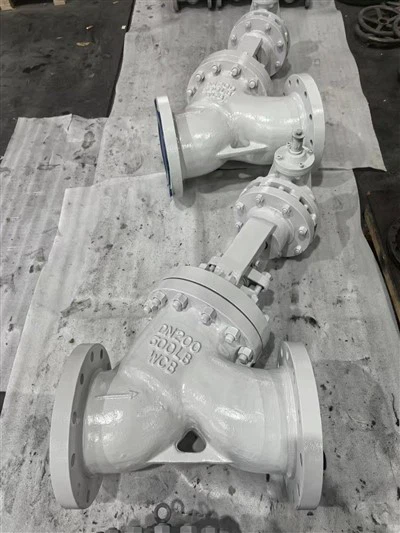
Cuneiform gate (also known as wedge gate) is mainly used in several industries of pipeline systems. Its core advantages are reliable sealing performance, high pressure resistance, high temperature resistance, adapt to harsh working environment. Here are specific application scenarios and analysis:
1.Oil and gas industry
Application Scenarios: Oil and gas field development, long pipeline, oil refinery, natural gas processing plant, etc.
Function: Control the flow of medium in oil and gas pipeline, open or close completely, avoid sealing failure caused by throttling.
Strength: Can withstand high pressure (e.g. 6.4 MPa and above) and complex geological conditions.
Suitable for oil and gas media of all characteristics (including impurities and corrosive components).
In crude pipelines, for example, wedge valves prevent leakages and ensure a steady flow of crude oil to refineries through self-sealing between the wedge gate and valve seat.
2.Chemical industry
Application Scenarios: Chemical raw material transportation, reactor inlet control, tank area pipeline, etc..
Function: To control the flow rate of corrosive media such as acid, alkali and salt Precisely and ensure production safety. Strengths: Customizable materials (such as stainless steel, fluoroplastic lining), resistant to chemical corrosion.
Specially designed sealing structure to prevent leakage of toxic media.
For example, in sulfuric acid transport pipelines, wedge gate valves are made of corrosion-resistant material to ensure stable long-term operation.
3.Power industry
Application Scenarios: Steam and cooling water circulation systems in thermal power plants; fluid medium control in new energy plants (e.g. wind and solar).
Function: Control steam flow in steam pipelines, drive steam turbine to produce electricity.
Cut off water to the cooling system, protect equipment.
Strengths: High temperature resistance (over 500°C in a steam environment, for example) and high pressure differentials.
For example, in supercritical thermal power units, wedge-shaped gate valves provide non-leakage control of high-temperature, high-pressure steam through a metal rigid seal structure.

4. Water treatment
Application Scenarios: Urban water supply system, sewage treatment plants, sludge treatment process, etc..
Function: To control the supply and distribution of water and regulate the flow of water during water purification.
During wastewater treatment, wedge gates regulate the flow of aeration and sedimentation tanks to meet compliance requirements.
Strengths: Suitable for media containing particulate matter,such as suspended solids in wastewater.
In wastewater treatment plants, for example, wedge gate valves are designed to be wearable to reduce wear of impurities on seals.
V. Manufacturing and Industrial Fluid Systems
Application Scenarios: Internal Fluid Transportation in automobile manufacturing, Mechanical Processing, Electronics Manufacturing, etc.
Function: Control the flow rate of compressed air, industrial water and lubricating oil.
Strengths: Compact structure, easy installation, suitable for enclosed spaces.
For example, in automotive painting production, wedge gate valves are used to control paint delivery switches to ensure coating quality.
6. Metallurgical Industry
Application Scenarios: blast furnace air supply system, ironmaking gas system, cooling water system, steel inverter oxygen supply system, steel bag sliding gate nozzles, etc.
Function: Controlling airflow and providing oxygen for blast furnace combustion.
Adjust gas pressure to ensure transportation safety.
Precise control of the flow rate of steel liquid is the guarantee of casting quality.
Strengths: High temperature resistance (e.g. above 1600°C during steelmaking).
For example, in the oxygen supply system of steel-making converter, wedge-shaped gate valves prevent safety accidents caused by oxygen leakage by sealing with high precision.
Technical characteristics support various application scenarios:
Sealing principle: Wedge door and seat wedges are tightly connected to form self-sealing seal, suitable for high and low pressure differential conditions.
Material choice: Stainless steel, carbon steel, cast iron or fluoroplastic lining according to the characteristics of the medium, corrosion and wear resistance.
Transmission mode: Support manual, pneumatic, electric or gearing transmission to meet different automation needs.